
Reviews
Circuit Runner trades twitch speed for route planning. Its collect-all-spheres rule forces players to read each stage before moving, and the double jump adds enough air control to make precision matter. Predictable obstacle patterns keep deaths fair rather than random. The gradual difficulty curve suits newcomers, while later layouts give precision-focused veterans something to work toward. The main limitation is that the input describes no multiplayer or narrative depth, so expect a focused single-player platforming challenge rather than a sprawling adventure.
About this game
Collect First, Exit Later
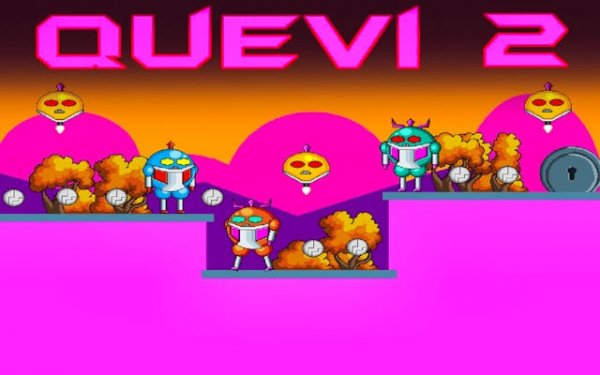
Circuit Runner structures every stage around one rule: gather all energy spheres, then reach the exit door. That order matters. The exit will not complete the stage while a sphere remains uncollected, so speed alone rarely works. Each sphere also adds to your score, giving clean routes a measurable payoff. Because the objective is collection rather than survival, the game plays more like a small spatial puzzle than a reflex test. You are encouraged to study a layout, identify where the spheres sit, and decide the order that avoids backtracking.
Double-Jump Movement
Left and right movement uses standard keyboard inputs, and a double jump extends your reach. Pressing the jump key twice in quick succession lets you clear wider gaps and land on higher ledges that a single jump cannot reach. The controls are described as responsive and precise, with enough fine control to adjust position mid-air. In practice, that means success comes from combining steady ground movement with well-timed double jumps, especially when a sphere sits above a gap or near a moving obstacle.
Reading Neon Stages
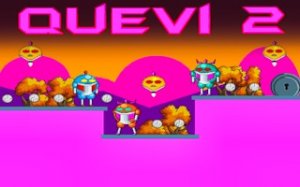
Stages are distinct layouts rather than variations on one template. Bright neon colors and robotic characters carry the sci-fi theme, and the clean visual style keeps platforms, collectibles, and hazards easy to tell apart. Obstacles follow predictable patterns, so watching a hazard complete a cycle before moving is a reliable habit. Later stages introduce new obstacles and more complex platform arrangements, but the difficulty curve is gradual, giving newcomers time to build confidence while still offering precision-focused players a satisfying challenge.
Compatibility
FAQ
Comments
Sign in to leave a review
No comments yet.









Editorial Notes