
Reviews
Midnight School Enigma Escape succeeds in creating a genuinely tense atmosphere without resorting to cheap scares. The puzzles are well-integrated into the environment, requiring logical thinking and observation. The stealth mechanics are fair, with clear patrol patterns that reward planning. The story unfolds naturally through environmental clues, encouraging thorough exploration. The controls are responsive and intuitive. This is a solid choice for fans of narrative-driven puzzle games who appreciate a slower, more thoughtful pace.
About this game
Atmosphere and Setting
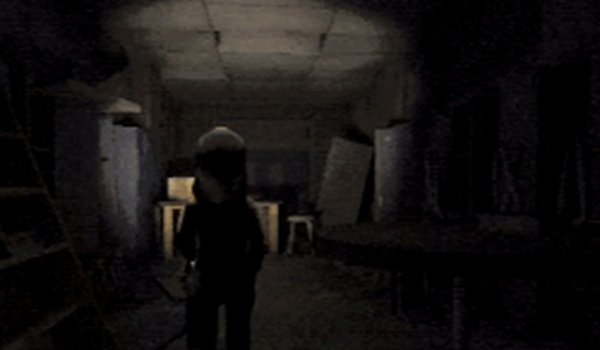
The game places players inside a large school building after the final bell has rung. Hallways are dimly lit, classrooms are cluttered with desks and chairs, and the only sounds are distant creaks and footsteps. This environment creates a sense of isolation and tension without relying on graphic imagery. Players must move quietly through each corridor, peeking around corners and listening for any sign of movement. The setting is designed to feel familiar yet unsettling, drawing on common experiences of being in an empty building at night.
Core Puzzle Mechanics
Progress requires solving a series of environmental puzzles. These challenges might involve rearranging objects, finding keys or codes, or activating switches in a specific order. The puzzles are integrated into the school environment, so a locked door might require locating a janitor's key or figuring out a locker combination. Solutions often require patience and attention to detail rather than quick reflexes. Players may need to revisit areas after finding new items or information, encouraging thorough exploration of every room and hallway.
Stealth and Observation
Avoiding detection is central to the experience. The game includes patrolling figures that move through the school on set routes. Players must study these patterns to find safe moments to cross open areas or enter new rooms. Hiding spots like lockers, under desks, or behind curtains provide temporary safety. The game rewards careful timing and planning over speed. Rushing often leads to being spotted, which may reset progress or require starting a section over. Audio cues, such as footsteps or a door opening, help players anticipate danger before it arrives.
Story and Discovery
The narrative unfolds through environmental storytelling. Notes, posters, and objects scattered throughout the school reveal fragments of a larger mystery. Players piece together what happened before their arrival and what might be awakened by the ritual they are performing. The story does not rely on lengthy cutscenes or dialogue. Instead, it encourages players to explore every corner to find all the clues. This approach rewards curiosity and makes each discovery feel meaningful. The ending may vary based on how thoroughly players investigate and which puzzles they complete.
Controls and Accessibility
The game supports both keyboard and mouse as well as controller input. Controls are simple, focusing on movement, interaction, and hiding. There is no complex combat system or inventory management. The interface is minimal, keeping the screen clear for immersion. Players can adjust sensitivity and key bindings to suit their preferences. The straightforward controls make the game accessible to players who may not have extensive experience with action games, while the puzzle and stealth elements provide depth for more seasoned players.











Comments
Sign in to leave a review
No account? Create one
No comments yet.