
Reviews
Castle Siege Defense: Tactical Command stands out for its enemy diversity and the strategic depth it offers. Each level requires you to reassess your defensive setup, as new enemy types demand different countermeasures. The upgrade system is straightforward but meaningful, allowing you to specialize your structures. The gradual difficulty curve ensures that both newcomers and veterans will find something to enjoy. It is a polished example of the genre that respects the player's time and intelligence.
About this game
Defensive Structure Overview
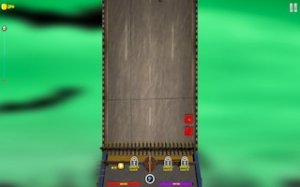
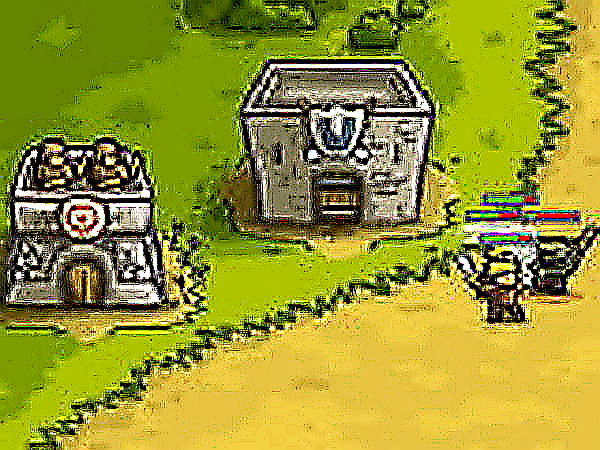
Castle Siege Defense: Tactical Command offers a selection of defensive structures, each with a distinct role. Some focus on ranged attacks, others on area damage, and some on slowing enemy progress. Players can upgrade these structures to unlock enhanced capabilities. The key is to understand what each structure does best and place it where it will be most effective. For instance, certain structures excel at handling large groups, while others are better suited for single, powerful opponents. Experimenting with different combinations is part of the learning process.
Enemy Variety and Adaptation
The game introduces a wide range of enemy types, each with its own movement speed, resilience, and special traits. Some enemies move quickly but have low endurance, while others are slow but can absorb significant damage. Certain foes may be resistant to specific types of attacks, forcing you to adjust your defensive layout. This variety ensures that no two levels play exactly the same. Players must observe enemy patterns and modify their strategy accordingly. Success depends on anticipating what is coming and preparing the right mix of defenses.
Resource Management and Upgrades
Resources are earned by defeating enemies and completing levels. These resources are used to build new structures and improve existing ones. Deciding when to save for a major upgrade versus when to add more basic defenses is a constant consideration. The game rewards careful planning and efficient use of resources. Players who rush may find themselves overwhelmed later. A balanced approach, where you steadily strengthen your position while adapting to new threats, tends to yield the best results. The upgrade system adds depth without becoming overly complex.
Level Design and Progression
Each level presents a unique layout with specific paths that enemies follow. Some levels have multiple entry points, while others feature narrow chokepoints. The environment itself can influence your defensive choices. As players advance, they encounter new enemy types and more challenging wave compositions. The difficulty curve is gradual, allowing newcomers to learn the basics while providing enough complexity for experienced players. Replaying earlier levels to improve performance and earn additional rewards is encouraged. The progression system feels satisfying without being punishing.










Comments
Sign in to leave a review
No account? Create one
No comments yet.